Considering getting into backyard beekeeping? Or have you just bought a hive and want to know the basics? This course covers what you will need to start up, what activities you will need to undertake in caring for your bees and give you a general sense of what to look for when interacting with your hive. you will learn to light a smoker and keep it lit (weather permitting).
Monica (Mon) du Plessis has been teaching at WEA since 2026.
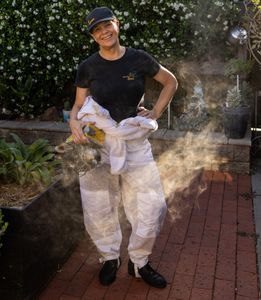
Mon is a qualified and accredited beekeeper and the owner of Mondees Bees, an award-winning South Australian micro-beekeeping business. What began as an interest in pollinating her vegetable garden in 2016 soon developed into a passion for honeybees and beekeeping.
Mon holds a Certificate III in Beekeeping and is a nationally accredited trainer in Varroa mite management. She has also held several leadership and education roles with the Beekeepers’ Society of South Australia, including President and Chair of its Education Sub-Committee.
Today, Mon combines beekeeping with producing handcrafted products from the hive, mentoring recreational beekeepers and delivering educational sessions to schools and community groups.
A passionate advocate for the importance of pollinators, she enjoys sharing her practical knowledge and enthusiasm with others. In her spare time, Mon loves gardening and creating habitats that attract bees, butterflies, and other beneficial insects.
Introduction to Beekeeping
Course Description
Discover the fascinating world of honeybees and learn the essential skills needed to begin your beekeeping journey with confidence.
This comprehensive introductory course provides a practical foundation in beekeeping, covering everything from legal requirements and choosing a suitable hive location to selecting equipment and implementing good biosecurity practices.
You'll explore different hive systems, learn about the three essential tools every beekeeper should own and discover how to choose equipment that will serve you well for years to come.
You'll also have the opportunity to practise lighting and maintaining a bee smoker.
Gain an understanding of honeybee biology, the colony lifecycle and the practical skills involved in managing a healthy hive.
Learn how to recognise the different stages of brood development, conduct effective hive inspections and interpret what the bees are telling you by examining frames.
You'll also explore common colony issues and the seasonal tasks required to maintain healthy, productive hives throughout the year.
By the end of the course, you'll have the knowledge and confidence to take your first steps towards managing your own beehives successfully.
Course Structure
This introductory course combines tutor presentations, practical demonstrations and hands-on activities to introduce students to the fundamentals of beekeeping.
The course begins with an overview of the legal requirements for keeping bees, selecting a suitable apiary site, establishing a reliable water source and implementing good biosecurity practices.
Students will compare common hive systems and learn about essential equipment, including protective clothing, smokers and hive tools, with an opportunity to practise lighting and maintaining a smoker.
The course then explores honeybee biology and the colony lifecycle, including recognising brood development, identifying signs of a healthy hive and understanding how to read and interpret frames during hive inspections.
Students will also learn to recognise potential colony issues and explore seasonal management considerations, helping them understand the key tasks and challenges beekeepers face throughout the year.
Course Learning Outcomes
By the end of this course, students should be able to:
- Understand the legal requirements and responsibilities of keeping bees
- Identify a suitable location for an apiary
- Recognise the importance of good bee biosecurity practices
- Compare common hive systems and identify essential beekeeping equipment
- Light and maintain a bee smoker effectively
- Understand honeybee biology and the colony lifecycle
- Recognise the different stages of brood development
- Understand how to inspect a hive and interpret frames
- Identify signs of a healthy colony and recognise potential issues
- Understand seasonal hive management and make informed decisions throughout the year.
Course Requirements
- Bee smoker (optional): Students are encouraged to bring their own bee smoker for hands-on practice during the course.
- Course materials will be provided, but students may wish to bring a notebook and pen to record additional information, useful tips or contact details.
- Tea and coffee making facilities are available at the venue.
- Please bring your own lunch or purchase food from one of the nearby outlets.

|